The Role of Water Conservation in Singapore Plumbing
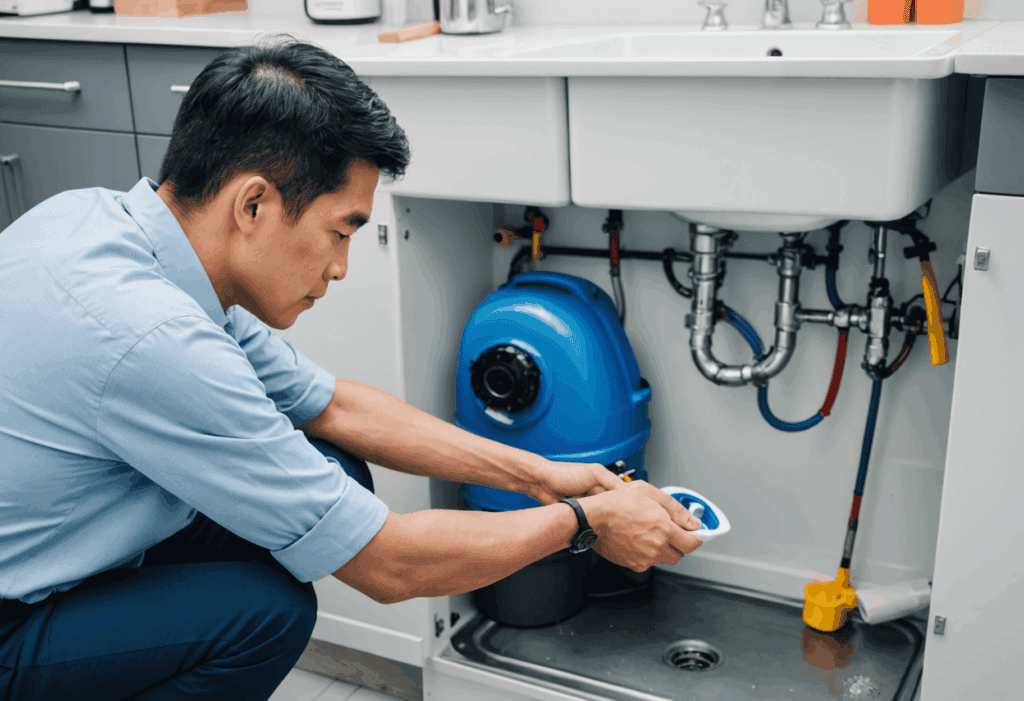
Water saving matters big time in busy cities like Singapore, where every drop counts. Freshwater runs low, and nature throws curveballs, making smart water use a total must. Smart plumbing hacks slash water waste, help homes and shops cut bills, and nudge the city toward going green. The average person in Singapore drinks up about 141 liters of water a day—that’s like filling a bathtub two times over! Quick fixes like patching leaks or switching to water-wise fixtures really add up. If saving water sounds tough, think again—it’s simpler than it seems and packs a powerful punch. Keep going to discover easy tricks that save water and cash without breaking a sweat.
Understanding the importance of water conservation in Singapore’s plumbing systems is key to creating a more sustainable environment. Small changes in everyday habits and smart infrastructure choices can lead to significant water savings. In this blog post, we will explore how water conservation impacts Singapore’s plumbing landscape and provide practical tips for residents and building managers to do their part.
The Importance of Water Conservation in Singapore
Why Water Conservation Matters for Singapore
Singapore relies heavily on imported water and desalination, making efficient use of available resources vital. According to the Public Utilities Board (PUB), Singapore uses about 430 million gallons of water daily. With the population expected to grow and climate change affecting rainfall patterns, conserving water ensures a reliable supply and reduces the strain on infrastructure.
Beyond environmental concerns, water conservation also translates into economic benefits. Lower water bills, reduced energy consumption for water treatment, and less pressure on sewage systems all contribute to cost savings. Moreover, promoting water-efficient habits aligns with Singapore’s vision of becoming a “City in a Garden” with a sustainable urban environment.
Impact of Plumbing Systems on Water Usage
How Plumbing Design Affects Water Consumption
The blueprint of plumbing systems dictates how much water is used in homes and commercial buildings. Outdated pipes or inefficient fixtures can lead to significant water wastage. For example, conventional toilets may use up to 13 liters per flush, while modern low-flow models reduce usage to about 4.8 liters or less.
Properly designed plumbing is also essential in preventing leaks, which are one of the most common causes of unnecessary water loss. Regular maintenance and upgrades not only conserve water but also prevent costly repairs down the line.
Technologies and Fixtures that Promote Water Conservation
Modern Low-Flow Fixtures and Water-Efficient Appliances
Singaporeans can greatly reduce water usage by installing water-efficient fixtures. Low-flow showerheads, aerated taps, and dual-flush toilets are practical solutions. These fixtures are designed to deliver the same performance while using a fraction of the water.
Additionally, choosing appliances like washing machines and dishwashers labeled with energy and water efficiency ratings can contribute significantly to savings. Many building owners are upgrading older systems with these modern devices to meet conservation goals and minimize operational costs.
Practical Water Conservation Tips for Residents
Simple Habits for Everyday Water Saving
- Mindful Showering: Limit shower time to under five minutes to save gallons of water daily.
- Fix Leaks Promptly: Regularly check faucets and toilets for leaks, and repair them promptly through professionals like https://sgplumber.sg/.
- Use Water-Efficient Fixtures: Replace older fixtures with modern, water-saving models.
- Turn Off Taps: Don’t leave running taps when brushing teeth or washing dishes.
- Collect Rainwater: Use rain barrels for watering plants, reducing reliance on indoor water sources.
Sustainable Practices in Commercial and Industrial Plumbing
Implementing Water Recycling and Reuse Systems
Businesses can adopt recycling systems like greywater reuse for landscaping or industrial processes. Such systems reduce freshwater intake and lessen wastewater discharge. For example, Singapore’s building codes encourage water reuse solutions to promote sustainability.
Install pressure-reducing valves and sensor-activated fixtures to avoid unnecessary water flow during non-use periods. These measures not only conserve water but also lower operational costs for commercial entities.
The Role of Government Policies and Incentives
Singapore’s Initiatives to Promote Water Conservation
The government actively encourages water-saving practices through policies and rebates. PUB offers grants and incentives for building owners to retrofit fixtures and upgrade plumbing systems. Additionally, public awareness campaigns emphasize the importance of conservation habits.
Compliance with local regulations, such as the Singapore Standard SS 540 for water efficiency, ensures that plumbing installations are optimized for minimal wastage. Partnering with certified professionals, like those found at https://sgplumber.sg/, helps ensure adherence to these standards.
Conclusion
Water conservation in Singapore is an ongoing commitment that involves everyone—from individual residents to large corporations. By understanding the impact of plumbing practices, utilizing water-efficient fixtures, embracing sustainable methods, and complying with government policies, Singaporeans can make a meaningful difference. Small changes in daily routines and investments in better plumbing infrastructure create ripple effects that benefit the environment and economy alike.
Taking steps to upgrade and maintain plumbing systems not only conserves water but also saves money and prolongs the lifespan of the infrastructure. It’s essential to partner with qualified professionals for any plumbing upgrades or repairs, ensuring systems are efficient and compliant. For reliable plumbing services that prioritize water conservation, visit https://sgplumber.sg/.